Thermal Blanket Project
Project Type: Thermal management / fusion energy / mechanical design
Tools Used: CAD, ANSYS Fluent, CNC machining, laser cutting, end mill
Result: Designed, manufactured, and tested an active cooling module that achieved about 80% heat dissipation efficiency during physical testing
Team Design Goals
Design a scaled-down active cooling module for a fusion reactor blanket
Develop a thermal management system capable of removing heat from a simulated first wall
Use jet impingement and mini-channel flow to improve heat transfer through the module
Model and analyze the design using CFD before manufacturing
Fabricate the prototype using CNC machining, laser cutting, end milling, and hand tapping
Assemble a leak-resistant flow system with pressure, flow, and temperature measurement
Test the module at multiple heat inputs, including 500W and 1000W
Compare physical test results against CFD predictions to validate the design
My Contributions
Designed the heat plate used to simulate heat input into the active cooling module
Fabricated the jet impingement plate and channel plate out of aluminium blocks
Iterated on the jet plate and channel plate designs based on thermal FEA results to improve heat distribution and cooling performance
Helped translate simulation results into design changes before final manufacturing
3D printed additional prototype models to support design visualization, fit checks, and project presentation
Supported the overall prototype development process from CAD design through fabrication, testing, and validation
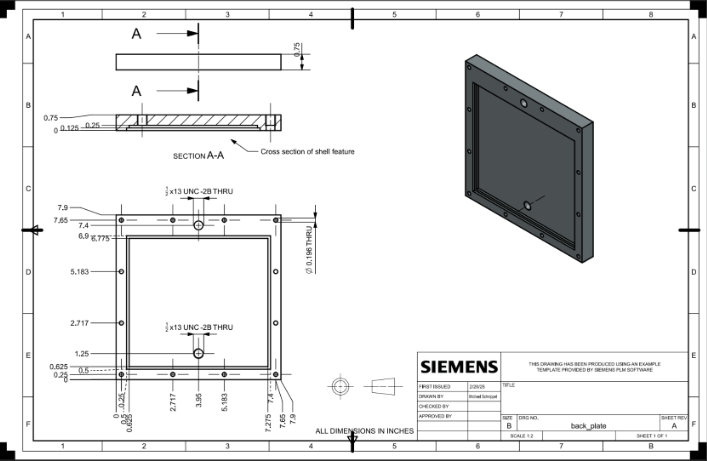
CAD Drawing of the Inlet and Outlet Plate
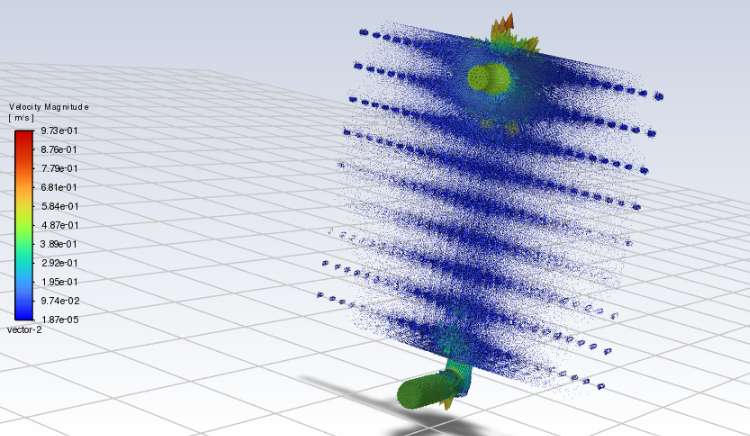
Velocity Vector Plot
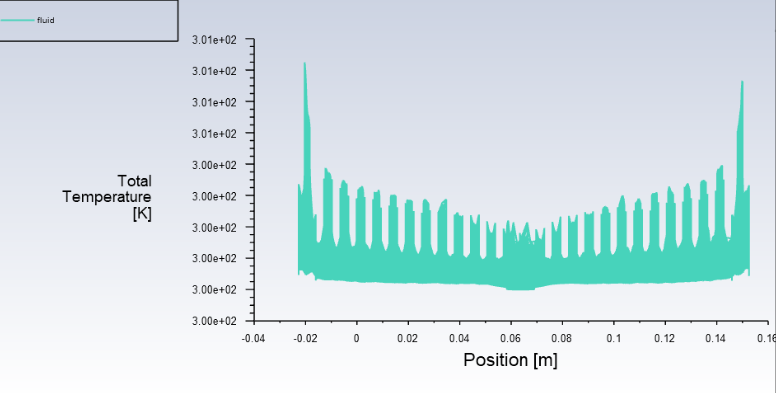
Temperature vs Position (X-Axis) Plot
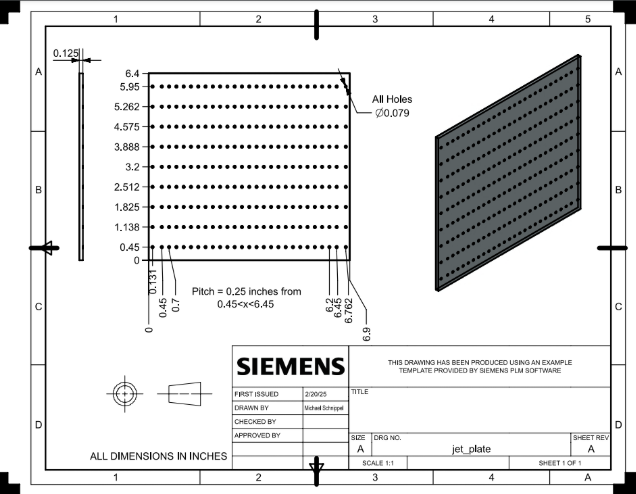
CAD Drawing of the Jet Impingement Plate
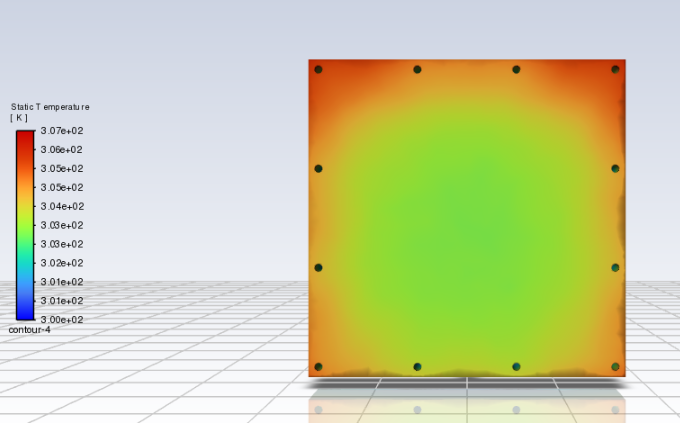
1000W Back Plate Temperature Contour
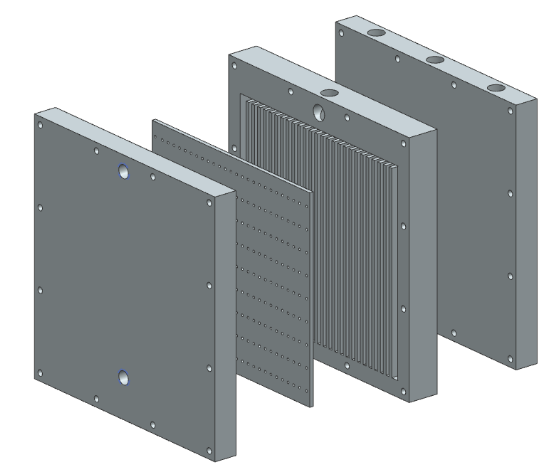
Full CAD Assembly
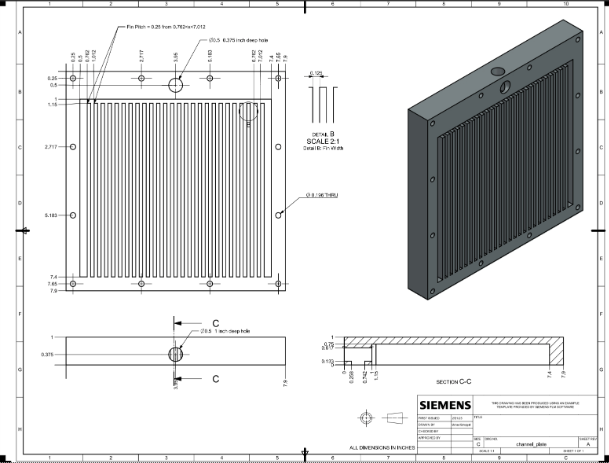
CAD Drawing of the Channel Plate
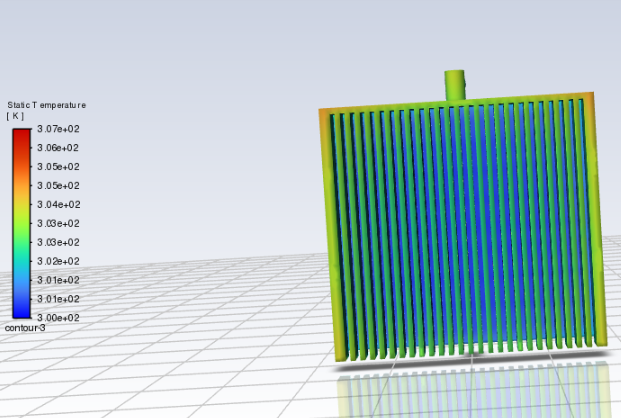
1000W Channel Plate Temperature Contour
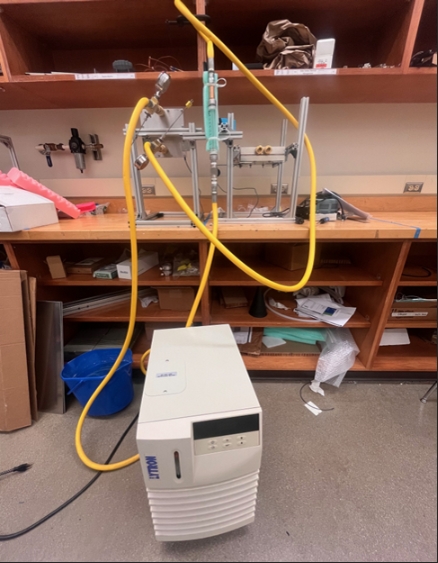
Full Assembly Ready for Testing
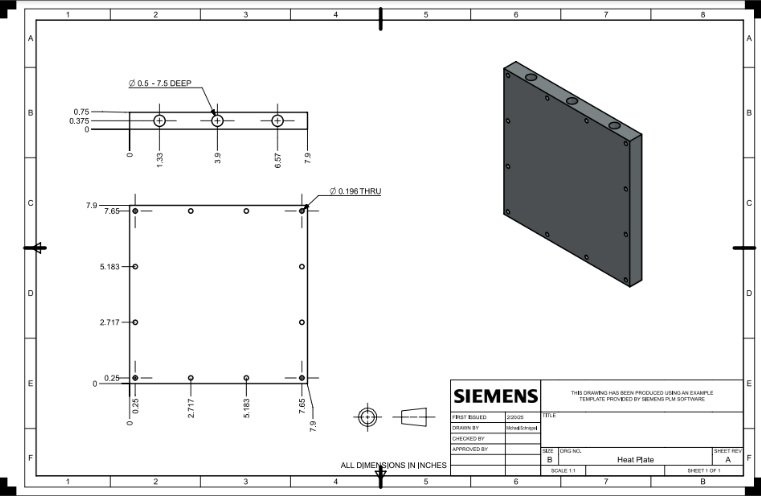
CAD Drawing of the Heating Plate
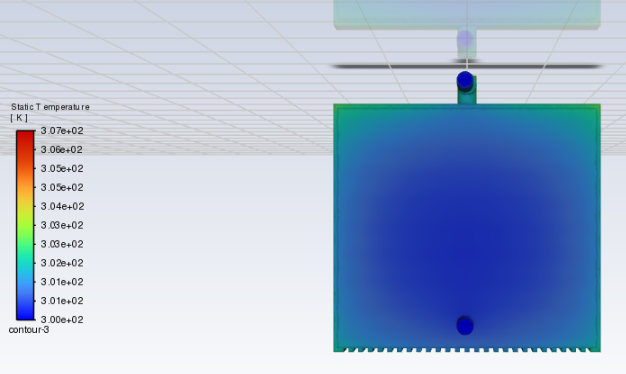
1000W Inlet Plate Temperature Contour
Design / Testing Process
Created CAD models and manufacturing drawings for the heating plate, jet impingement plate, channel plate, and inlet/outlet plate
Used thermal and fluid analysis to evaluate cooling performance before fabrication
Iterated the jet plate design based on simulation results to improve flow distribution and heat transfer
Fabricated key aluminum plates using CNC machining, and end milling
Assembled the flow loop with hoses, pressure gauges, a flow meter, thermocouples, and cartridge heaters
Performed leak testing before collecting steady-state temperature data